
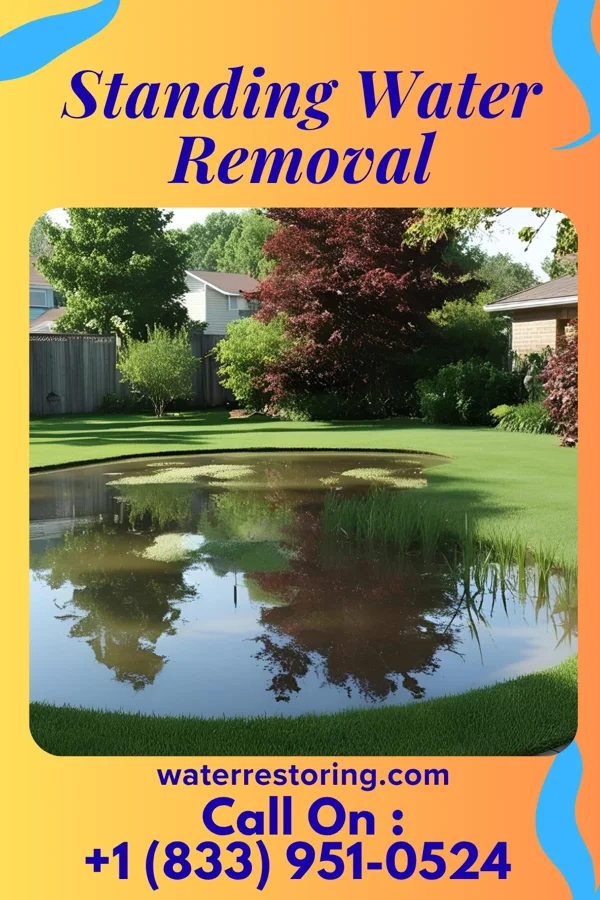
Why Unalaska Standing Water Demands Fast Removal
Most water damage emergencies in Unalaska start with In Unalaska, the primary water damage cause is often due to coastal flooding from storm surges and heavy rainfall, especially during the summer months. Additionally, the region's proximity to the Bering Sea increases the risk of sudden water intrusion through compromised building envelopes. These events can lead to rapid water accumulation in basements and lower-level rooms.. A close second is Secondary causes include plumbing leaks from aging infrastructure, burst pipes during freezing temperatures, and improper drainage around homes. The region's remote location also means that delayed response times can exacerbate water damage from these sources.. From the second water touches the property, every minute changes what gets saved and what gets ripped out.
Unalaska experiences a subarctic climate with long, cold winters and short, cool summers. This climate increases the risk of frozen pipes and thawing permafrost, which can lead to sudden water damage. The region's exposure to the open ocean also makes it vulnerable to extreme weather events and rising sea levels.
Most standing water removal calls in Unalaska come from In Unalaska, the primary water damage cause is often due to coastal flooding from storm surges and heavy rainfall, especially during the summer months. Additionally, the region's proximity to the Bering Sea increases the risk of sudden water intrusion through compromised building envelopes. These events can lead to rapid water accumulation in basements and lower-level rooms.. Running a close second is Secondary causes include plumbing leaks from aging infrastructure, burst pipes during freezing temperatures, and improper drainage around homes. The region's remote location also means that delayed response times can exacerbate water damage from these sources.. Local mold risk: Mold growth in Unalaska can occur within 24 hours of water intrusion, especially in the humid summer months. Due to the region's coastal environment, mold can spread quickly and pose health risks to residents, making rapid response critical.
For public guidance on the health effects of mold after prolonged water exposure, see the EPA mold and health page.